
Colour correction explained - from uneven tones to complete colour changes
Colour correction is often misunderstood as simply “changing your colour.” In reality, a major colour change takes professional skill and a clear step-by-step plan to achieve the client’s goal.
Here are some of the common issues I see that require a strategic approach:
- Vivid or “live” colours
- Colour banding (different shades and depths throughout the hair)
- Build-up from box dyes
- Black dye build-up
- Fashion colours (purple, pink, etc.)
- Metallic salts
- Uneven coverage
- Previous corrective work
So, you’ve had enough of your full head colour and you’re about to grab a stripping kit or a box dye to go over what you already have. Stop for a second before you head out to Asda.
Colour stripping products come from a range of brands and often claim to be a “one size fits all” solution that can remove build-up or take you back to your natural colour.
The truth is, yes, they will strip your hair, but only to an approximation of your base. The result is usually uneven, patchy, and leaves the hair feeling dry and straw-like. These products don’t take into account who is using them. Someone with a base 4 and someone with a base 8 will get completely different results because their starting points are not the same.
On darker hair, the stripper will remove as much as it can, but unevenly. Each section of hair often needs a different level of lift and a different approach. As a colour specialist, I assess the hair and its history before applying carefully controlled levels of lift at different stages. This helps achieve a healthier, more even result, something at-home kits simply can’t do.
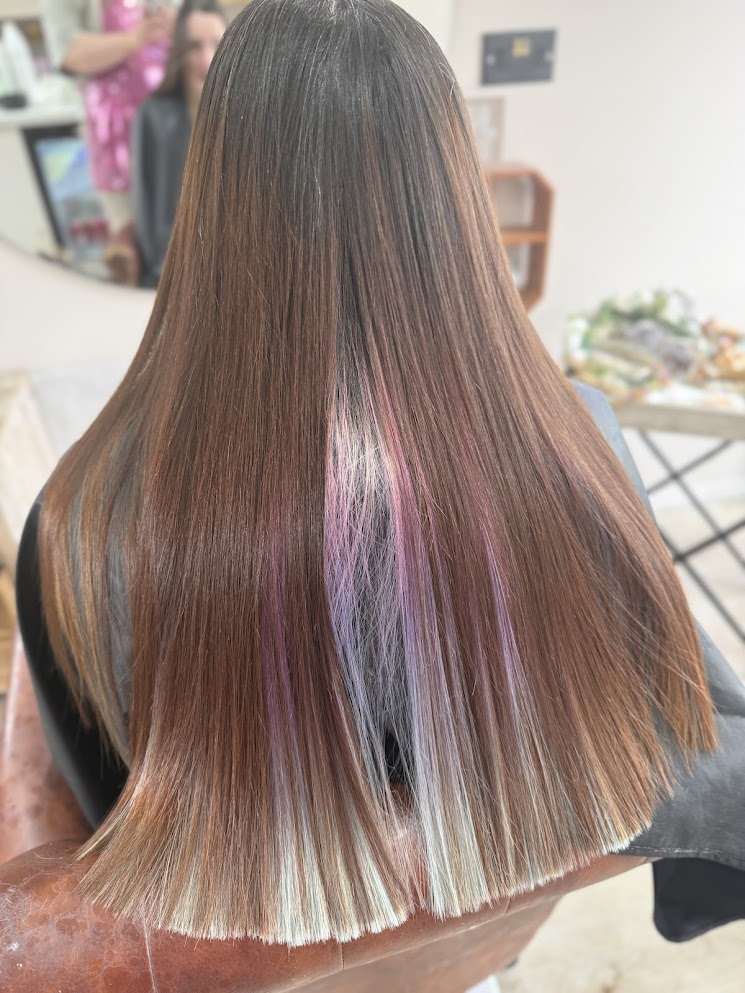
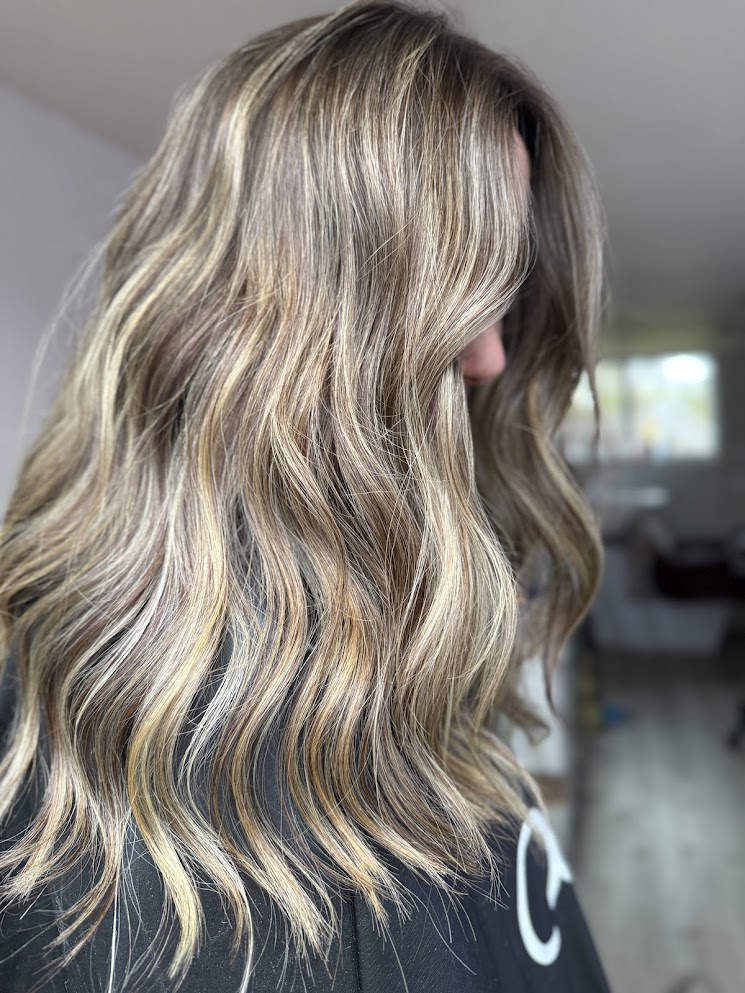
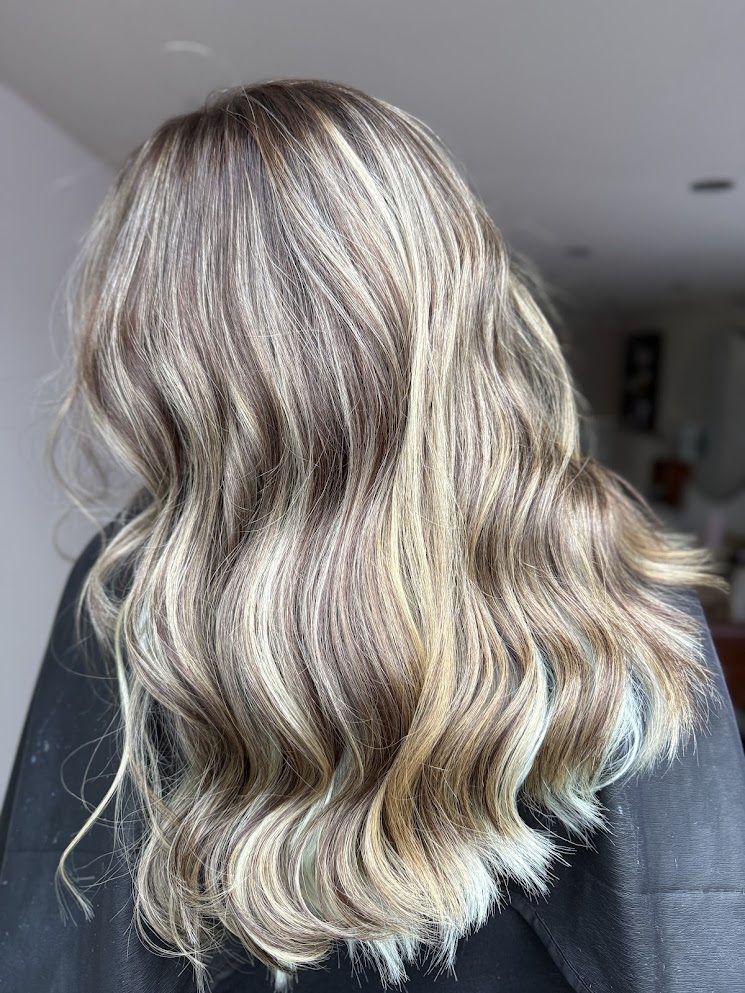
Box dyes
Let’s say you’re a dark brown and want to go bright blonde, so you pick up a blonde box dye. The reality is, colour doesn’t lift colour. You need to lift first, then tone.
A blonde box dye will attempt to break down the existing pigment, but it usually results in an uneven, patchy finish. That’s when you find yourself trying to get a last-minute appointment at your local salon to fix it.
Achieving a proper colour change requires a tailored consultation. This helps determine the level of lift needed, your colour history, and any contraindications that could affect the final result.
Colour change
A proper consultation should include:
- A strand test
- A discussion of your colour history over the past five years
- How often you’re willing to maintain your hair
- The level of upkeep required
- Detoxing for metallic build-up if needed
- A skin test
- A clear, step-by-step explanation of the process and possible outcomes
- A balance between listening to you and managing expectations
It’s important to be honest and transparent about results. If your hair responds well, it’s always better to underpromise and overdeliver.
Aftercare
- Leave-in 6-in-1 treatment
- Dumb Blonde serum
- Leyton House serum
- Wet brush or a wide-tooth comb to prevent breakage
- Repair masks once a month
- Regular cuts every 6 to 12 weeks
Links to my favourite detox and mineralising treatments (to use before colour change appointments):
Some of my favourite moisturising/at home aftercare products:
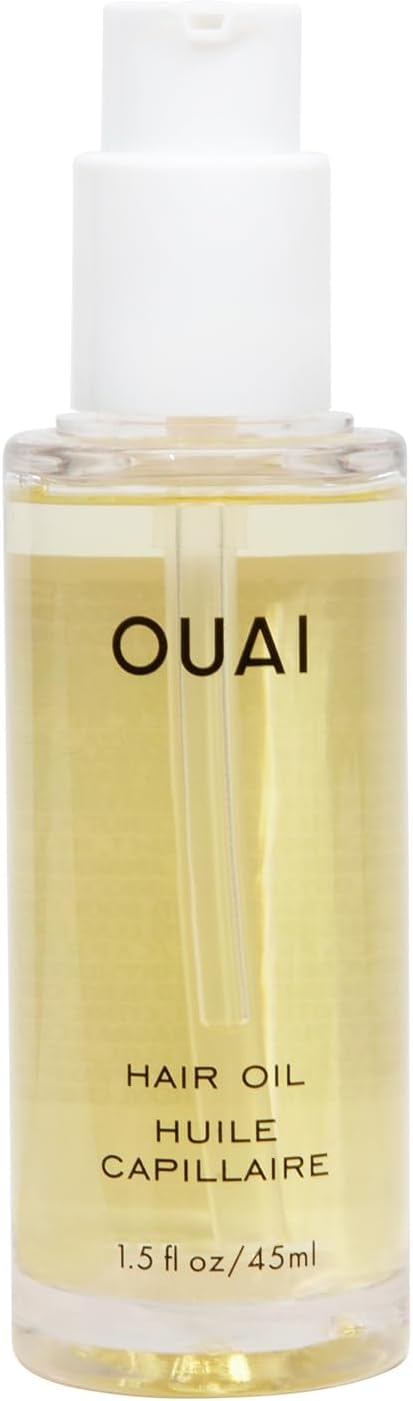
- Ouai Heat Protectant hair oil
- Coco & Eve Like a Virgin super hydrating shampoo & conditioner
- Colour WOW colour security shampoo
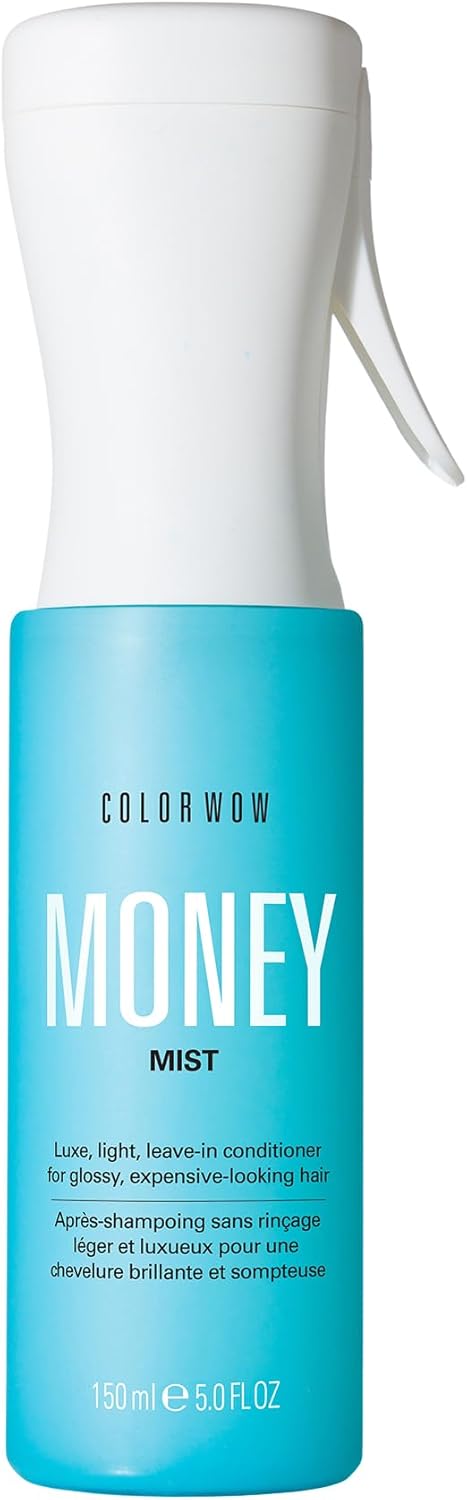
- Colour WOW Money Mist light leave-in conditioner
- Colour WOW Pop & Lock high gloss finish
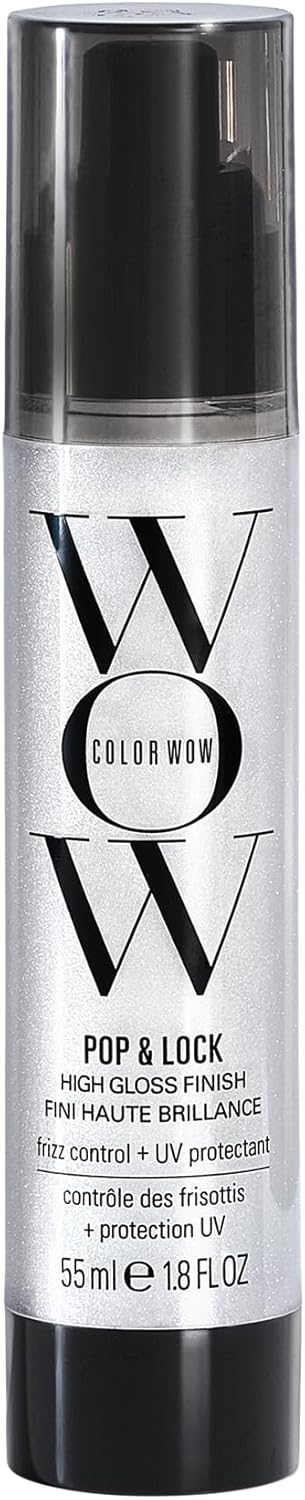
The better your home care routine, the better your results will be. Healthier hair lifts more easily, which means quicker and more consistent colour changes.
If aftercare is neglected, progress will slow down, especially for bigger transformations that rely on the hair staying in good condition. Most major colour changes can be achieved within 6 to 12 months, followed by simple maintenance appointments.
Find out more about my colour change services, or use the button below to book your consultation